

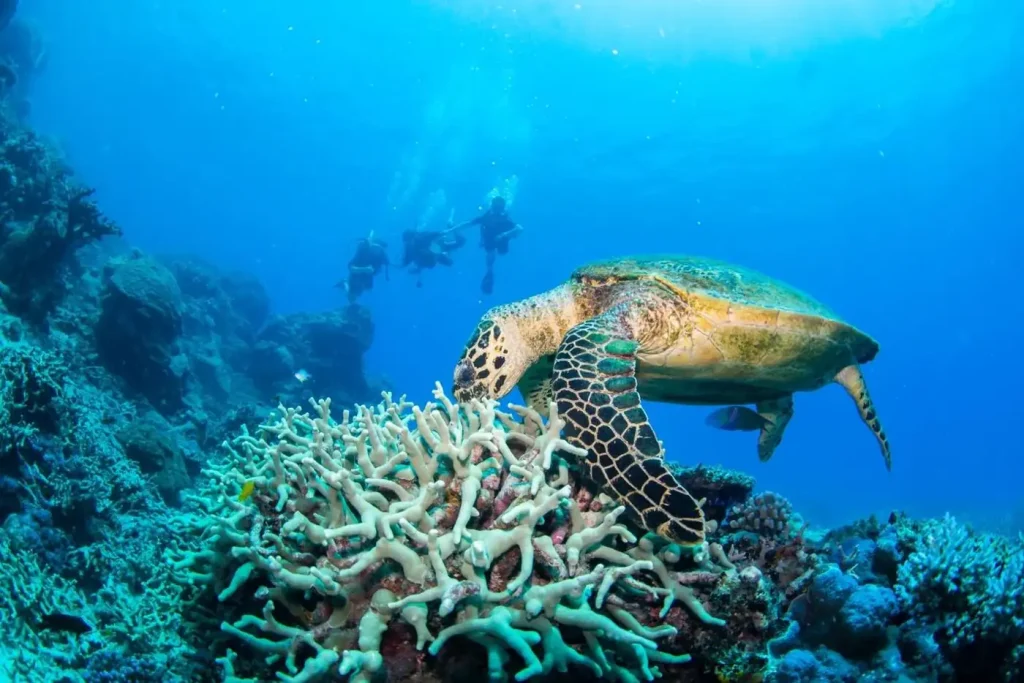
The Best Eco-Certified Great Barrier Reef Operators: Who Really Gets It Done by 2026? You know the question travellers keep asking: “Who’s not just selling me a pretty snorkel pic & genuinely helping the reef on my trip?” And my answer’s always the same: the operators doing some actual good are those that have got a solid ECO Certification from Ecotourism Australia, giving real-time input to the Eye on the Reef monitoring of the Great Barrier Reef Marine Park, and actually putting money into tangible Reef Conservation projects.
Champions like Passions of Paradise, Reef Magic Cruises, Sunlover Reef Cruises, and top-of-the-line liveaboard dive operators like Spirit of Freedom consistently show up in reef health surveys, are good at reporting back on what they observe through citizen science, and score well in sustainable tourism audits. And let me tell you – that’s not just some greenwashing marketing stunt – that’s actual participation.
If you’re browsing around for a Great Barrier Reef holiday, here’s the lowdown you really need to know before you click “book now” and pay your money.
Figuring Out Who’s Actually Doing It
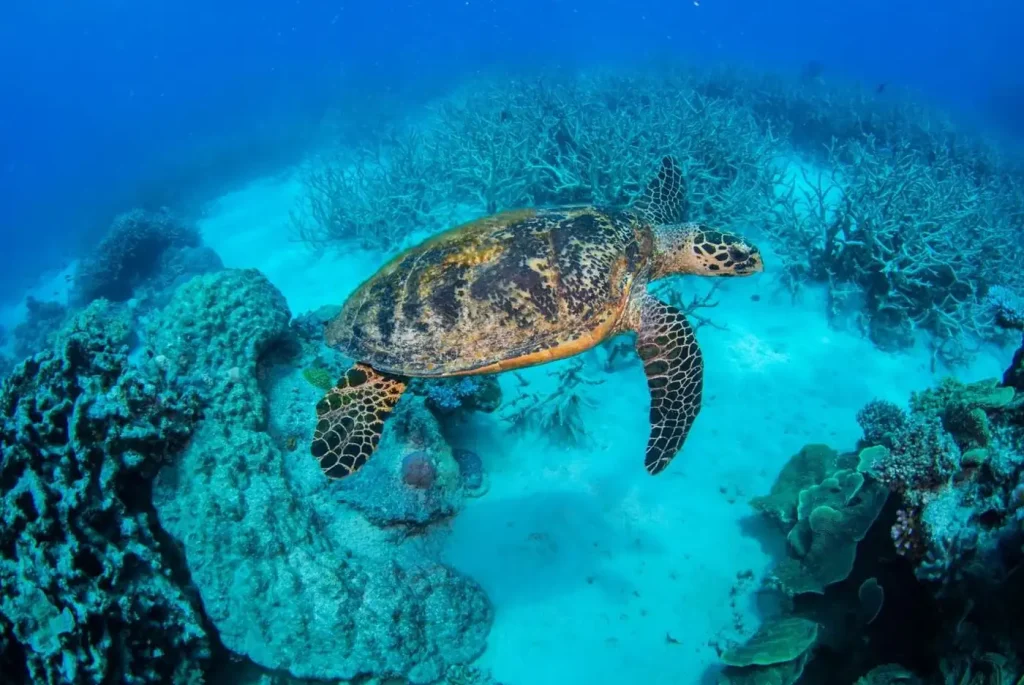
Loads of operators love tossing around the word “eco” – but precious few can actually translate their sustainability jargon into plain English. The difference between the two is pretty stark: it’s all about how well they’ve been accredited, whether they’re collecting the right data, and just how seriously they take their responsibilities on the water.
Those with formal Advanced Eco Certified status have undergone proper independent audit – they’ve got to show they’re taking responsible tourism policies, honing their waste management, treating the land and the sea with respect, and tracking their environmental impact. And now, some are even chasing Climate Action Certification – that means they’re measuring their carbon footprint, working on reducing carbon emissions, and also putting in carbon offsets where reduction just isn’t possible.
When I’m checking out operators for my clients, I don’t even bother with the fancy slogans. I need to see some proper proof: evidence that they actually participated in the Eye on the Reef project, submitted their own Reef Health Updates, and were generally active players in reef conservation.
Citizen Science and Eye on the Reef
If you want to see who really cares about Reef Management, take a look at who’s getting their hands dirty with the Eye on the Reef programs. This initiative within the Marine Park lets trained crew and passengers log their observations through the Eye on the Reef app – and it’s straight-up citizen science.
All those coral-bleaching incidents, manta ray sightings, bits of marine debris, giant clam populations, and Reef Snapshot data are all recorded and shared with the people who actually need to know. It’s a pretty straightforward affair.
Onboard vessels like Passions of Paradise, marine biologists give a brief briefing to guests before sending them out on a Guided Snorkel Tour. You learn how to be a considerate snorkeller, keep your distance from the coral, and all that other important stuff. Then, when you’re done spotting some marine life, it gets logged into the Reef Survey databases.
That’s what a real reef experience should look like – not just bobbing around in the water hoping to snap a photo with a turtle.
Real Partnerships in Conservation – Out on the Water
There are a few operators who actually roll up their sleeves and work directly with the Reef Restoration Foundation on their coral-clipping and Coral Nurturing Program initiatives. They sometimes get coral spawning in there and talk about it in the educational talks during peak periods.
Reef Magic Cruises is good to go with the Tourism Reef Protection Initiative programs. They manage access to the Moore Reef pontoon so it doesn’t get all damaged by anchors. Sunlover Reef Cruises services Moore Reef and helps out with beach cleanups. Liveaboard dive operators like Spirit of Freedom are super strict about diving practices – your group size is limited, and you’re not allowed to touch any of that coral reef.
And yeah – they spell it out for you, no beating around the bush – it’s all about actively working on reef protection.
The Southern Sections: Unsung Heroes of Sustainable Tourism
We all know about Cairns, but the Southern Great Barrier Reef has its own share of stories to tell. Places like Heron Island, Pumpkin Island, and the Keppel Islands show just how effective smaller-scale sustainable tourism experiences can be.
Heron Island has a research centre right in the middle of it all, so guests get to be part of the action. Pumpkin Island has gone all out for renewable energy and shows off its eco-friendly credentials through waste reduction and water management. Great Keppel Water Sports operates within designated conservation zones, under a pretty strict Marine Park watch.
These destinations usually combine some great accommodation with a bit of native veg preservation, and keep their guest numbers in check. It’s sustainable tourism the way it should be – not just a theory, but an everyday practice.
Some people might compare reef trips to a day trip to Moreton Island, but they’re really comparing apples and oranges. The ecological scope and management systems are just so different.
Carbon Accountability And Climate Action In Tourism
By 2026, there’s no way the more responsible operators will be able to ignore the fact that they’ve got a climate problem on their hands. Those who are actually making an effort start by tracking fuel use with digital tools & using carbon calculators right from the very start of the planning stage.
Some of them get themselves certified through a Climate Action programme or partner with a recognised environmental auditor, such as Toitū Envirocare, to have their emissions verified.
Cutting carbon emissions through offsets only goes so far – what really matters is reducing them in the first place. The better operators use more efficient engines, the best fuel-saving routes they can find & renewable energy on board to bring down their overall environmental impact.
When I’m checking out reef tour operators for people booking through Great Barrier Reef Tours, I always look for real transparency about their carbon footprint – if their claims just seem vague, I want to dig deeper to see what’s going on.
Cultural Respect And Indigenous-Led Engagement
The reef is home to all sorts of Traditional Owners – its Sea Country. If you’re serious about responsible tourism, then you need to be working with the Indigenous folks & giving them a lead role in cultural tourism and decision-making.
Some operators have actually got Traditional Owners working as guides and interpreters, while others put cultural awareness training right into their staff onboarding, so it’s not just a ‘welcome to the team’ speech – it’s being part of something that’s about shared ownership
When tourism understands that the Traditional Owners are the real custodians of the reef, that’s when you get long-lasting protection of the reef, not just some quick fix.
Snapshot Of Active Participation In 2026
| Operator | Certification Level | Citizen Science | Reef Restoration | Climate Action |
|---|---|---|---|---|
| Passions of Paradise | Advanced Eco Certified | Eye on the Reef | Yes | Active carbon tracking |
| Reef Magic Cruises | ECO Certification | Reef Snapshot & Surveys | Supports | Waste reduction focus |
| Sunlover Reef Cruises | ECO Certified | Reef Health Updates | Limited | Education-based reduction |
| Spirit of Freedom | ECO Certified | Dive reporting | Supports | Fuel efficiency strategy |
| Heron Island | ECO Certification | Integrated research | Yes | Renewable systems |
Information current in 2026 and subject to operational updates.
What Good Diving And Snorkelling Looks Like
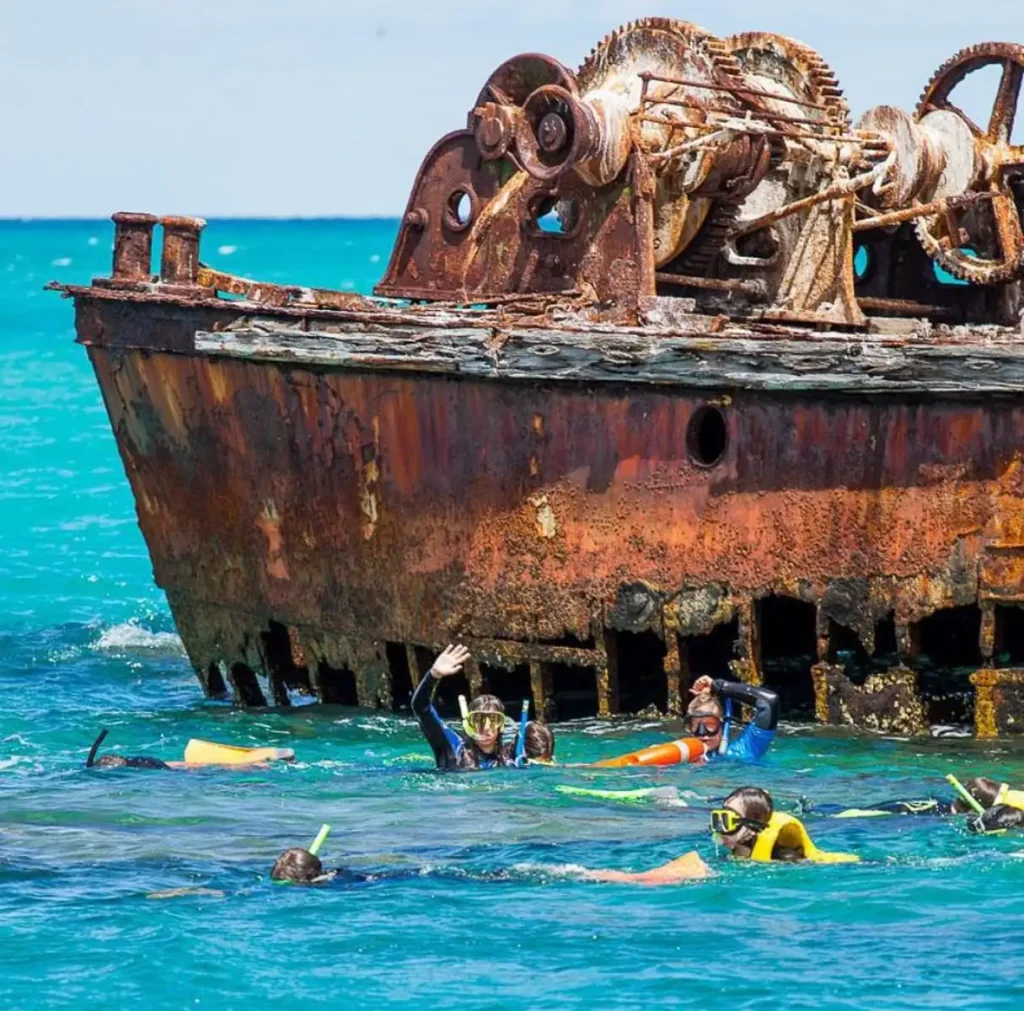
Diving and snorkelling should be done in a way that doesn’t leave a destructive mark on marine environments. Look for dive operators that give you a clear briefing and practice low-impact diving, and make sure experienced marine biologists are on hand to guide you.
Certified Boat Dives should be all about neutral buoyancy – a must for any boat trip. Similarly, guided Snorkel Tours should include some basic education on the environment you’re in. And while it might seem trivial, switching from single-use plastics to reusable water bottles is a small change that can make a big difference. Eco-friendly products are always a better choice than disposable ones.
If you see a bunch of people running wild in the water with no one keeping an eye on them – that’s not what we call eco-friendly, sustainable tourism.
People who loved a Moreton Island Day Trip tend to be looking for a similar laid-back vibe. But the reef is such a big deal, ecologically speaking, that it needs to be taken a lot more seriously – and upheld to a higher level of sustainability standards.
Final Thoughts from Paul
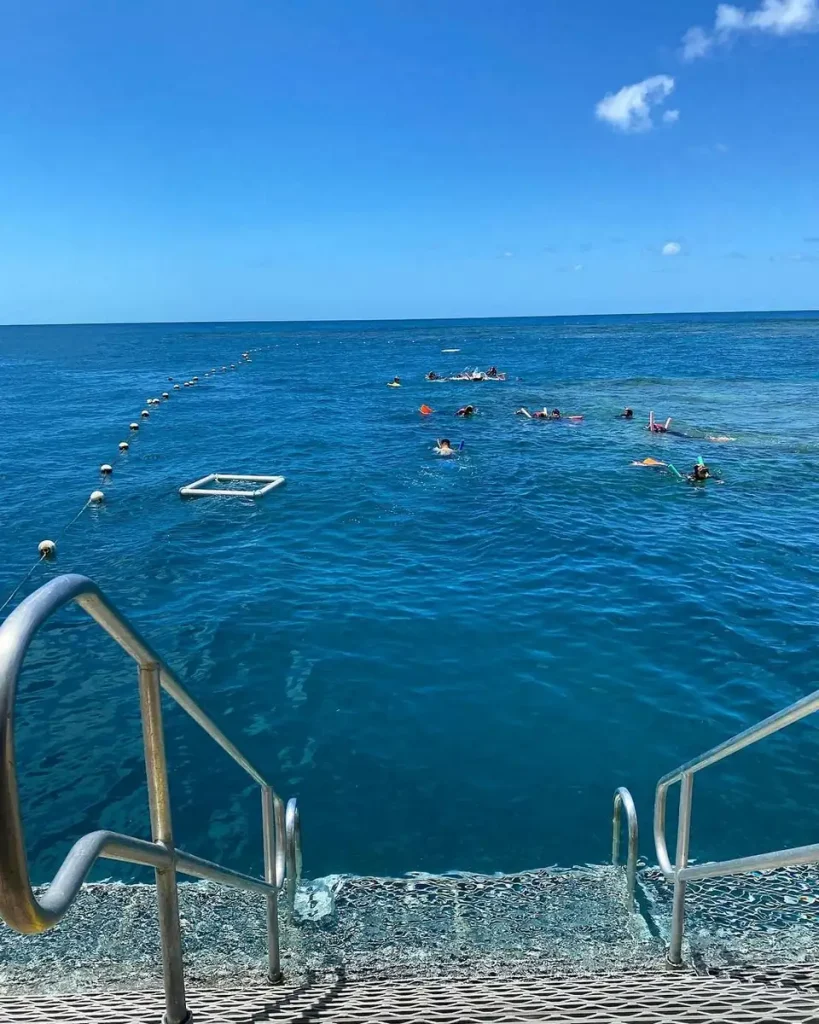
The reef doesn’t need our sympathy – it needs to be treated with some genuine discipline. That means participating in citizen science, following sustainable tourism practices that are actually backed up by real data, and making some effort to understand the reef as a living system – not just a pretty backdrop.
In 2026, it’s the tour operators that are taking things seriously – the ones using Eye on the Reef monitoring, partnering up with reef conservation groups, keeping track of their carbon footprint, and actually working with the local indigenous owners – that are genuinely making a difference.
If you’re comparing different options – whether it’s a Great Barrier Reef Tour or a Moreton Island Day Trip – don’t just ask what they claim to be doing – ask who’s actually measuring their impact, who’s submitting data, and who’s investing in reef restoration projects.
That’s how you separate the real deal from the marketing hype. And trust me – you should come visit if you can – but choose operators who genuinely care about the reef as a living system – not just a pretty face.
FAQ
Does certification automatically make a tour operator eco-friendly?
No, no tourism operation is completely impact-free. Certification is all about structured management, regular auditing, and making a genuine effort to improve your sustainability standards.
Is a bigger boat always the less sustainable option?
Not necessarily – a fixed pontoon, for instance, can actually help reduce the impact from anchors. It’s the operational management that really matters, not just the size of the boat.
Is reef restoration a substitute for stopping bleaching?
No, it’s not a substitute for cutting carbon emissions. Restoration can help the reef recover locally, but it’s not a fix for the bigger problem.
What can viewers do to help?
You can participate in the Eye on the Reef reporting scheme, stick to the rules, and avoid touching the coral, for a start. And when you do choose to come and visit, make sure to pick a tour operator that’s genuinely committed to being eco-friendly – like one that’s Advanced Eco Certified.
Does visiting the southern reef make you safer from climate stress?
Unfortunately, not – bleaching and cyclones can affect all the different regions in different ways. Keep an eye on the latest Reef Health Updates to stay informed.
What makes Advanced Eco Certification so important?
Well, it’s not foolproof by any means – but it’s a good start. And when you see it, it can give you a bit more confidence that the operator you’re looking at is actually taking sustainability seriously.